- en
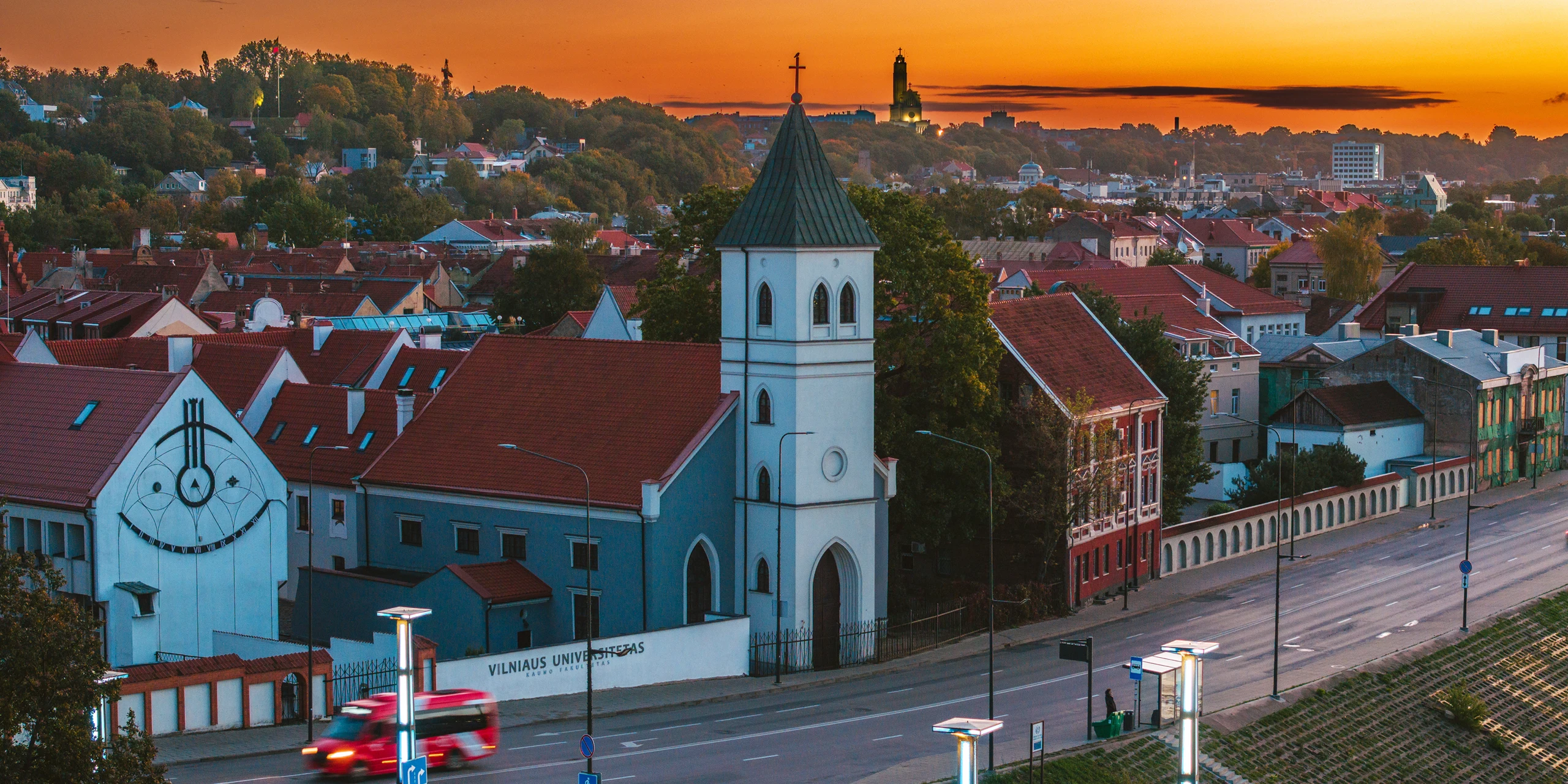
Kaunas, Lithuania’s cultural powerhouse and the former European Capital of Culture, offers a vibrant mix of history, modernism, and career opportunities.
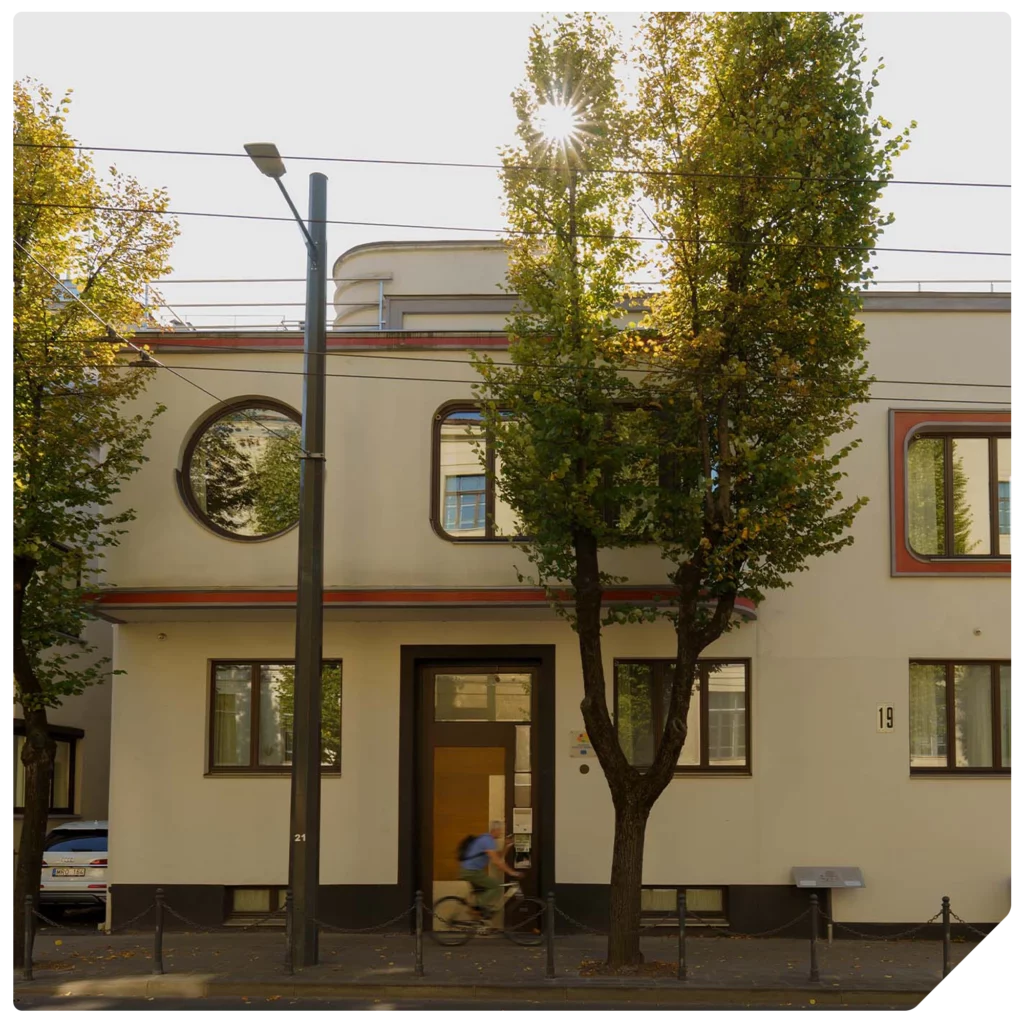
As Lithuania’s second-largest city, Kaunas already stands out. It holds a unique place within Lithuanian culture and history as the country’s temporary capital from the early 1920s to 1939. It’s home to a unique and distinctive architectural style, Kaunas Modernism, which is included on the UNESCO World Heritage list. And Kaunas has earned a reputation as a centre of culture, being a dynamic and colourful home to an amazing array of street art.
Modernist, contemporary, and classic, the city has earned its “Kaunastic” title. This article on things to do in Kaunas shows why it is a great place to settle. Are you a professional looking for an international career and a dynamic social life? And are you weighing up relocating to Kaunas? Well, here’s a first look at everything the city has waiting for you.
Top Things to Do in Kaunas
Whether you plan to visit Kaunas for a weekend or you’ve just moved in, this list of things to do in Kaunas will get you started. Most are located in Kaunas Old Town and city centre, within an easy walk or funicular ride of each other.
Laisvės Alėja (Liberty Boulevard)
At 1.6 kilometres, Laisvės Alėja is the longest pedestrian street in Eastern Europe and the social spine of the city. Visit Kaunas, and you’re bound to find yourself strolling down it at some point. Originally laid out in 1847 and renamed in 1919 to mark the first anniversary of Lithuania’s independence, the boulevard is lined with interwar architecture and monuments, including a statue of Vytautas the Great. It also boasts great restaurants, cafés, and shops. Plan at least half a day and take your time catching up over coffee, perusing the shops, and enjoying a tasty bite.
Kaunas Old Town
The meeting of the Nemunas and Neris rivers forms a triangle, within which lies a compact tangle of cobbled streets that make up Kaunas’s Old Town. Vilnius Street, the most photogenic of them, spills out into Town Hall Square, which is home to the 16th-century City Hall and its 53-metre tower (nicknamed the “White Swan”). Step into the Church of the Holy Trinity along the way, and then try out one of the many cafés tucked into the surrounding streets.
Kaunas Castle
Lithuania’s oldest stone castle was built at the confluence of the Nemunas and Neris rivers to repel periodic Crusader attacks. It’s the only castle in the country that features two rows of defensive walls. This medieval castle is open year-round and is perfect for anyone interested in Lithuania’s history during this period. The surrounding Nemunas and Neris Confluence Park is considered the heart of Kaunas. It is home to an ancient pagan altar and a hill where both Pope John Paul II and Pope Francis held Mass during visits to Lithuania.
Žaliakalnis Funicular
Kaunas is the only city in Lithuania with two working funiculars, and Žaliakalnis is the older of the pair. In under two minutes it will take you (and two dozen fellow passengers) up above the city centre to the Resurrection Basilica. Of course, there are panoramic views the whole way up. It’s a small, novel detour that gives you a different perspective on the city in just a couple of minutes.
Devil Museum
Officially the A. Žmuidzinavičius Museum, this quirky collection began in 1906 when local artist Antanas Žmuidzinavičius was gifted a wooden devil carving. Today, the devil museum holds more than 3,000 figures gathered from roughly 70 countries, spanning folk art, souvenirs, and masks. It’s an unexpected and fun museum stop in Kaunas that both adults and kids will enjoy.
Pažaislis Monastery
Set on a peninsula on the Kaunas Lagoon, the Pažaislis church and monastery is one of the finest examples of Baroque architecture in North-Eastern Europe. Commissioned in the 17th century by Chancellor Kristupas Zigmantas Pacas, it showcases the craft of Italian architects Giovanni Battista Frediani and Pietro Puttini, painter Michelangelo Palloni, and sculptor Giovanni Maria Merli. The monastery still holds more than a hundred surviving frescoes. Since 1996, it has hosted the summer Pažaislis Music Festival, and every August 15 it draws pilgrims for the Feast of the Assumption. We recommend visiting the monastery during the festival, when the Baroque interiors come alive with music.
Street Art
Kaunas has quietly become one of the Baltic region’s street art capitals. Stunning new murals appear on its buildings every year. These range from the famous pink elephant to the “Master,” a 440-square-metre mural of an old man that was likely Lithuania’s first large-scale street art piece. Locals fascinated by the scene are affectionately known as “wall-o-graphers,” and there’s even a dedicated wall-o-grapher’s guide to help you track down the best street art during your visit to Kaunas.
Ninth Fort Museum
One of several 19th-century fortifications ringing Kaunas, the Ninth Fort houses a museum split across two very different chapters of history. One wing covers the fort’s military architecture and WWI-era equipment; the other occupies the fort’s later use as a labour prison. The cells in this latter section still bear inscriptions left by prisoners and now form part of an exhibition on the tragedy of Lithuania’s Jewish community during the Holocaust. It’s a sobering but essential stop during any trip to Lithuania’s second-largest city.
Explore the House of Perkūnas
Nestled in the middle of Kaunas Old Town, the House of Perkūnas is one of the most striking examples of Gothic secular architecture in the region. Built by Hanseatic merchants and used as their trading office from 1440 to 1532, it later passed to the Jesuits. It then fell into ruin before being rebuilt in the 19th century. Its name comes from a statue of Perkūnas, the Baltic god of thunder, that was built into one of its walls and rediscovered during the building’s renovation. Today it houses a museum dedicated to the poet Adam Mickiewicz.
M. K. Čiurlionis National Museum of Art
Skipping this museum would be a bit like visiting Barcelona and failing to visit the Picasso Museum. Mikalojus Konstantinas Čiurlionis is Lithuania’s most celebrated artist. He was a highly accomplished painter and composer. We recommend visiting this museum in order to explore his symbolist work while listening to recordings of his symphonies, an experience that offers one of the richest windows into Lithuanian culture you’ll find in the city. Check the museum’s schedule before you go to see if you can catch a live performance during your visit.
Aleksotas Hill Observation Deck
The younger of the city’s two funiculars, built in 1931, carries visitors up to the Aleksotas Observation Deck for one of the best panoramic views of Kaunas Old Town in any season. Look out for the smiling sundial on the wall of the Kaunas Faculty of Vilnius University. The observation deck is the starting point for most guided city walking tours, which are well worth joining if you’d rather have someone narrate the view for you.
Yard Gallery
The Kiemo galerija, or Yard Gallery, occupies a courtyard in the city centre that was once home mostly to Jewish families before World War II. Artist Vytenis Jakas moved into the building over a decade ago and brought current residents together to commemorate those who lived there before them. The result is a courtyard of murals and installations that tell both the joyful and the tragic sides of the building’s history.
Attend a Festival
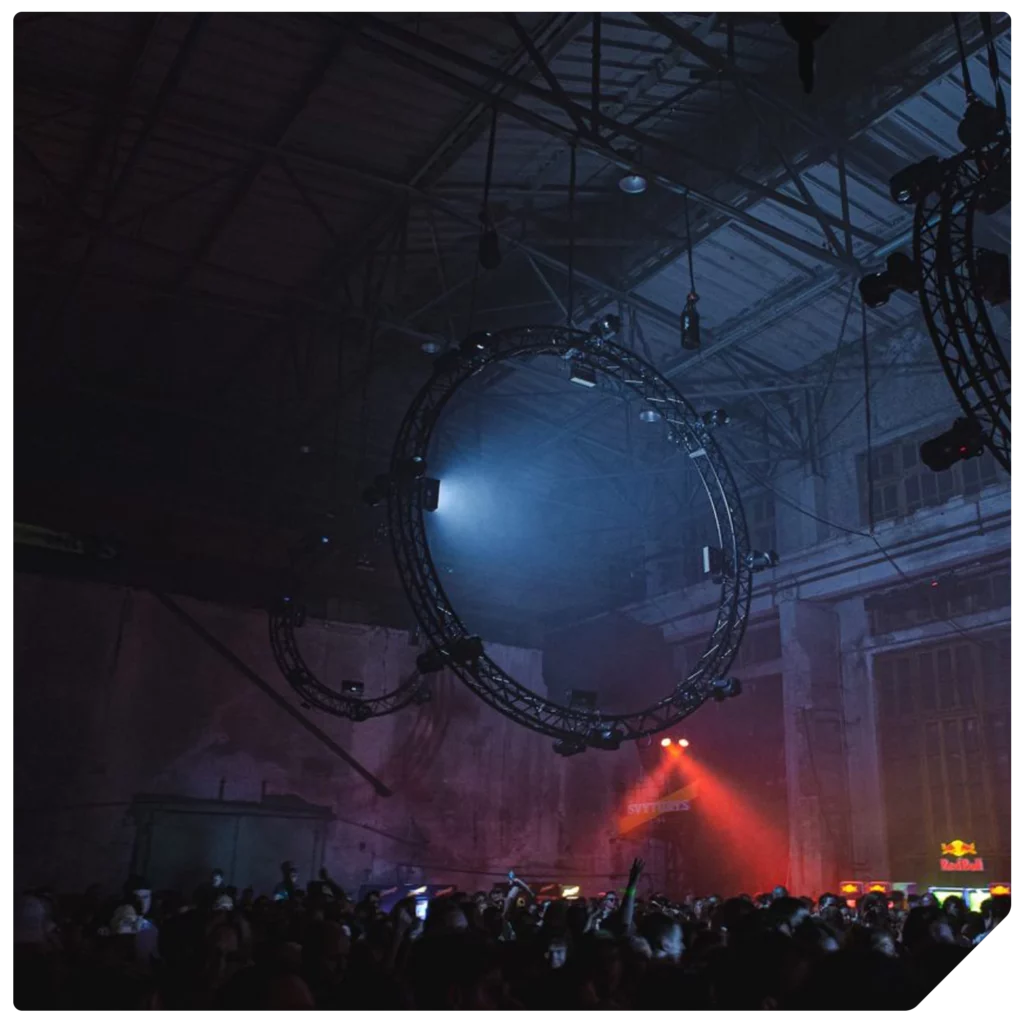
Time your trip right and you can elevate your visit with one of the many festivals on Kaunas’ packed cultural calendar. April brings the Kaunas Jazz Festival, a long-running showcase for local and international talent. The summer belongs to the Pažaislis Music Festival’s classical performances inside the monastery’s Baroque interiors. In September, check out Audra, a festival built around electronic and experimental sound. Don’t miss the Fluxus Festival either, which keeps alive the spirit of the mid-century Fluxus art movement founded by émigré Lithuanian artist George Maciunas. During Fluxus, costumed dancers, performance art, and poetry collide in the streets. And rounding off the calendar in October is the Aura Dance Festival, which brings international dance troupes to the city.
Had enough culture? Why not escape to nature.
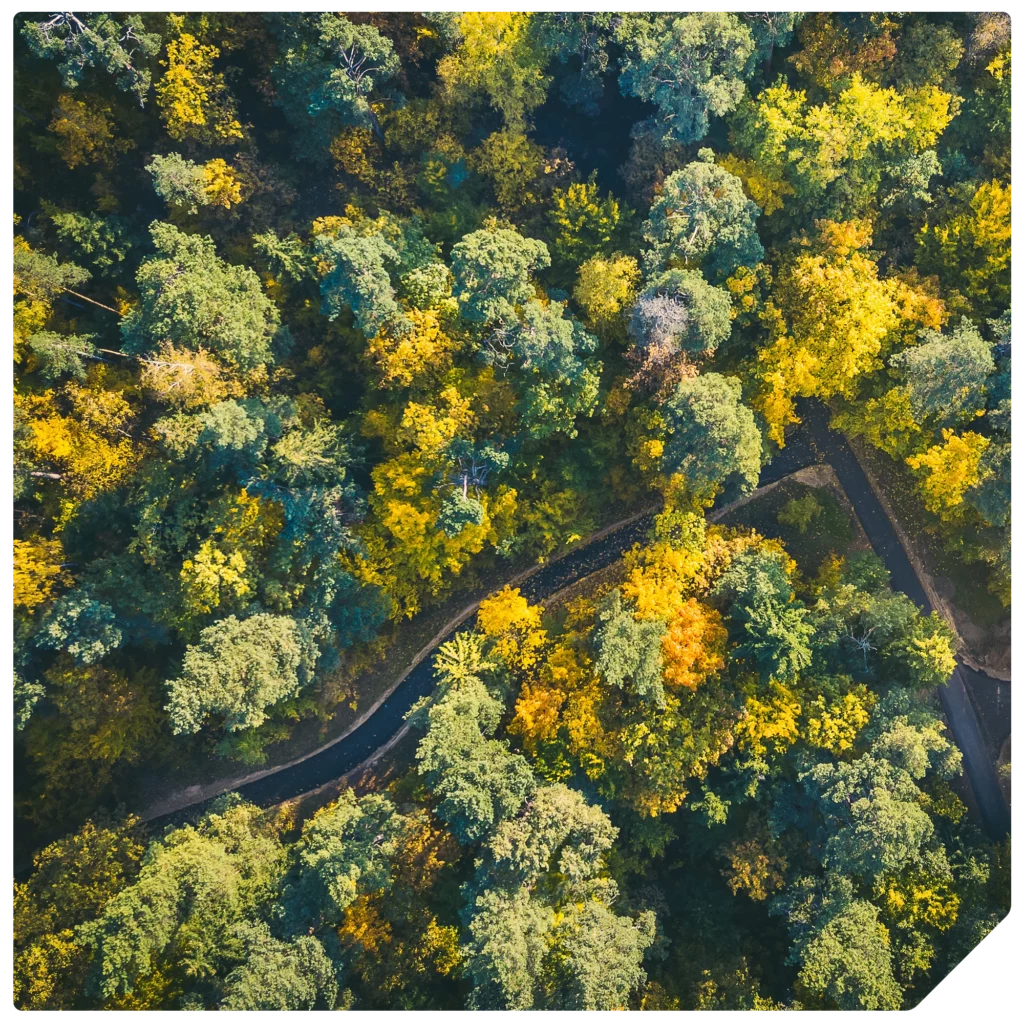
Lithuania is often described as a land of lakes and forests, and it has one of the highest proportions of lakes of any country in Europe. For someone living in Kaunas, that means a crystal-clear, calm lake is rarely more than a short drive or hike away. Escaping to nature with barbecue in tow is such a normal part of local life that you’ll find dedicated spots for it all over the region. And a growing water sports scene has developed as well, with wakeboarding, paddle boarding, and kayaking all easy to pick up.
The forests surrounding Kaunas are equally worth exploring, especially in autumn, when the long-standing local tradition of mushroom foraging kicks into gear.
Make sure to enjoy a stroll in the city’s numerous parks. The Nemunas and Neris Confluence Park sits right at the meeting point of the two rivers, alongside the city’s distinctive red-brick castle. Panemunė Park offers something more romantic, with towering pines and riverside beaches for long summer afternoons. And those are just two of many green spaces Kaunas has to offer.
A spectacular work-life balance with a cost of living that’s more than affordable.
Between the cultural calendar, all the restaurants and cafes, and nature that’s never far from your doorstep, Kaunas is a city built around balance rather than burnout.
It’s also easy on the wallet. On the Numbeo Cost of Living Index, Kaunas consistently scores lower than Vilnius, and considerably lower than other European cities like Prague or Berlin. This means your salary tends to stretch further here than in most comparable European hubs.
Career opportunities that you simply can’t afford to miss.
For anyone looking to kick-start their career, Kaunas has plenty on offer. The city is making real waves in Europe’s business scene: the Financial Times FDI Intelligence report ranks it 7th among small cities for both Business Friendliness and Human Capital & Lifestyle, right after Cambridge and Reykjavik, and 8th for Foreign Direct Investment Strategy.
There’s a genuine buzz around the city’s startup scene, with activity clustering around hubs like Kaunas Innovation Park, Kaunas Science and Technology Park, and Santaka Valley. Global names like Continental, Hella, and Dassault Systèmes have set up shop in Lithuania’s second-largest city. So, whether you’re chasing a role at an established international company or want to test yourself in a fast-growing startup, Kaunas has a place for you.
For professionals looking to develop their careers and improve their wellbeing, Kaunas offers the best of all worlds: a great work-life balance, a rich cultural life, and rewarding career opportunities.
FAQs
Is Kaunas worth visiting for tourists?
Yes. Kaunas packs UNESCO-listed Kaunas Modernist architecture, a compact and walkable Old Town, one of Europe’s most vibrant street art scenes, and a full calendar of festivals into a city that’s easy to cover in a few days – and it’s noticeably more affordable than Vilnius or most Western European capitals.
Is Kaunas a walkable city?
Very much so. The Old Town is small and dense. Laisvės Alėja (Liberty Boulevard) gives you a 1.6-kilometre pedestrian spine straight through the centre, and most of the major sights on this list can be found within walking distance of each other. Where the terrain gets steep, the city’s two funiculars and reliable public transport make getting around easy.
What is the cost of living in Kaunas?
Kaunas is one of the more affordable cities in the Baltics, running lower than Vilnius on the Numbeo Cost of Living Index. It’s considerably cheaper than cities like Prague or Berlin. Day-to-day costs, including rent, groceries, and eating out, tend to be noticeably lower here than in most other European cities of comparable size.
Is Kaunas LGBTQ+ friendly?
Kaunas has a smaller but increasingly visible LGBTQ+ community, with inclusive cafés and bars and an annual Kaunas Pride event. Attitudes in Lithuania’s urban centres have grown far more open over the past several decades, though acceptance still varies more in rural areas than in cities like Kaunas and Vilnius.